About Steel sheets
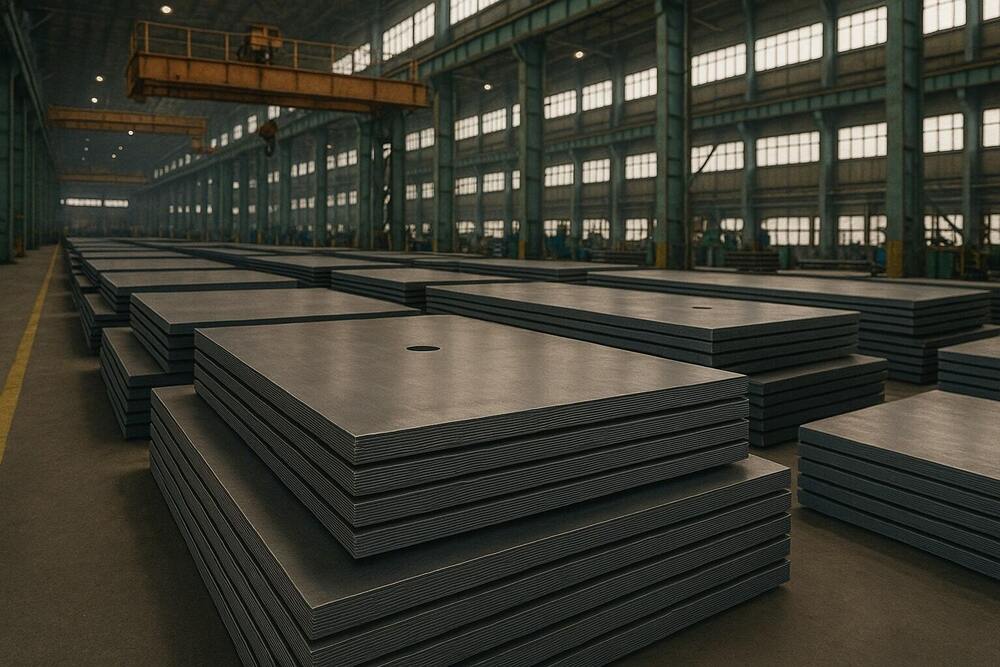
Mild Steel (MS) Sheets are flat steel sheets widely used in construction, fabrication, and general engineering due to their strength, durability, and ease of use. They are known for their smooth surface, flexibility, and ability to be easily cut, bent, or welded into various shapes.
These sheets have a clean appearance and can be further treated through painting, coating, or galvanizing to enhance their resistance to rust and wear. MS sheets are suitable for both indoor and outdoor applications, offering a balance between sturdiness and workability.
They are commonly used in the manufacturing of structural components, machinery parts, storage tanks, panels, furniture, and various industrial and household products. Whether for heavy-duty fabrication or everyday projects, MS sheets provide a reliable and cost-effective solution for a wide range of purposes.
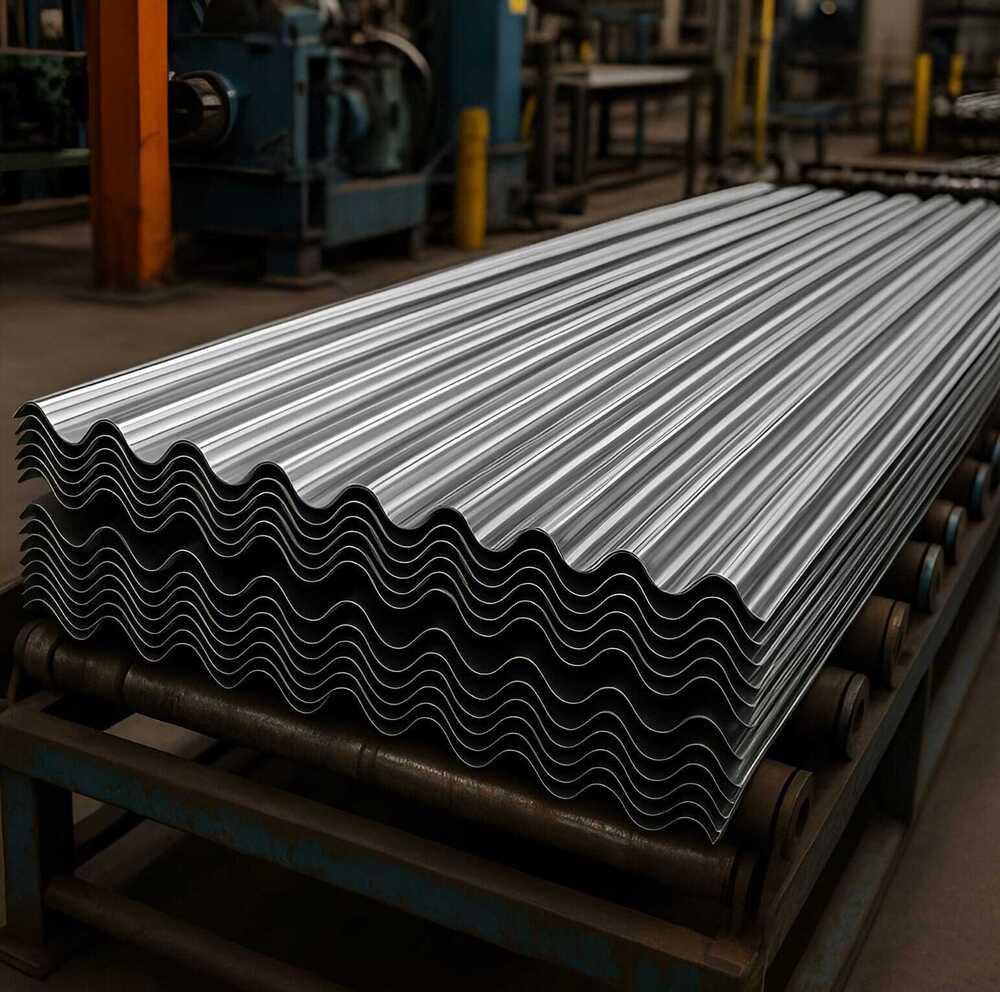
Versatile Uses in ConstructionSteel plates in the 0.5 to 4 mm thickness range seamlessly serve various construction needs, from roofing and cladding to structural support and fabrication. Their industrial-grade quality and galvanized surface provide robust protection against rust and environmental wear, ensuring stable, dependable performance in demanding settings.
Why Choose Galvanized Mild Steel?Galvanized mild steel plates offer enhanced resistance to corrosion, making them especially well-suited to Indias diverse climate conditions. This treatment ensures higher durability, reducing the frequency of replacements and maintenance costs while providing a cost-effective solution for construction projects.
Trusted Supply Chain NetworkWith a widespread network of retailers, suppliers, traders, and wholesalers throughout India, securing the right steel plate products for your construction needs is easily achievable. Reliable availability and efficient distribution channels minimize downtime and support on-time project completion.
FAQs of Steel sheets:
Q: How are galvanized mild steel plates used in the construction industry?
A: Galvanized mild steel plates are commonly utilized in construction for purposes such as roofing, formwork, cladding, and reinforcing structures. Their corrosion-resistant surface makes them suitable for both indoor and outdoor projects, enhancing durability and reducing maintenance.
Q: What is the process for galvanizing these steel plates?
A: The galvanization process involves coating the mild steel plates with a layer of zinc. This is typically achieved through hot-dip galvanizing, where the plates are submerged in molten zinc, forming a protective barrier that prevents rust and extends the products operational lifespan.
Q: When should I choose 0.5 mm versus 4 mm thick steel plates?
A: Thinner plates, such as 0.5 mm, are best for applications requiring lightweight strength, like cladding or roofing. Thicker options, up to 4 mm, are more suitable for load-bearing or structural roles where higher strength and rigidity are essential.
Q: Where can I purchase these steel plates in India?
A: Steel Plates with these specifications are available from numerous retailers, suppliers, and wholesalers across India. Partnering with a reliable supplier ensures you receive certified, industrial-grade materials tailored to your construction needs.
Q: What are the key benefits of using industrial-grade mild steel plates?
A: Industrial-grade mild steel plates provide excellent workability, high tensile strength, and improved resistance to corrosion due to their galvanized finish. These properties help streamline construction processes, enhance safety, and extend the service life of any project.
Q: How do I verify the quality and grade of steel sheets before purchase?
A: Quality assurance involves checking for certifications, supplier reputation, and adherence to industry standards. Request test reports or documentation from your supplier to confirm the steels grade, thickness, and galvanization methods.
Q: What maintenance is required for galvanized steel plates after installation?
A: Galvanized steel plates typically require minimal maintenance. However, periodic inspection for damage or abrasion of the zinc coating is recommended. Any exposed steel should be repaired or recoated promptly to maintain corrosion resistance.








 Send Inquiry
 Send Inquiry
 Send SMS
 Call Me Free